

THE DIRECTOR'S NOTEBOOK RECOMMENDS
The Killing of a Sacred Deer and the terror of unexplained power

(Spoilers ahead. Not just for this film, but for many of the works discussed throughout this series.)
I want to say something before getting into this series.
I’m not writing these pieces from the position of someone who believes they have mastered filmmaking or solved the mechanics of great cinema. In many ways, I’m writing from inside my own ongoing process of wrestling with these questions as a filmmaker myself.
I’ve been developing my feature film The Return for years now, and a tremendous amount of that process has involved studying horror very closely. Watching films over and over. Trying to understand why certain images linger in our nervous systems while others disappear instantly. Trying to understand dread, atmosphere, emotional pressure, rhythm, withholding, performance, and the strange psychological mathematics that make horror work at all.
So this series is not really about reviews. And it’s not a masterclass from someone pretending to have everything figured out.
It’s closer to a filmmaker’s notebook. A running conversation about creative works that continue teaching me something as I wrestle with my own work at the same time.
One thing I’ve been thinking about constantly while writing horror is how often filmmakers feel the need to over-explain their monsters.
There’s a tendency to construct elaborate mythology, psychology, timelines, lore, exposition, and origin stories, as if the audience needs to fully understand where the horror came from in order to fear it.
But one of the scariest things a monster can do is exist without explanation. Or perhaps more precisely: it does not really matter who your monster is. What matters is what your monster can do.
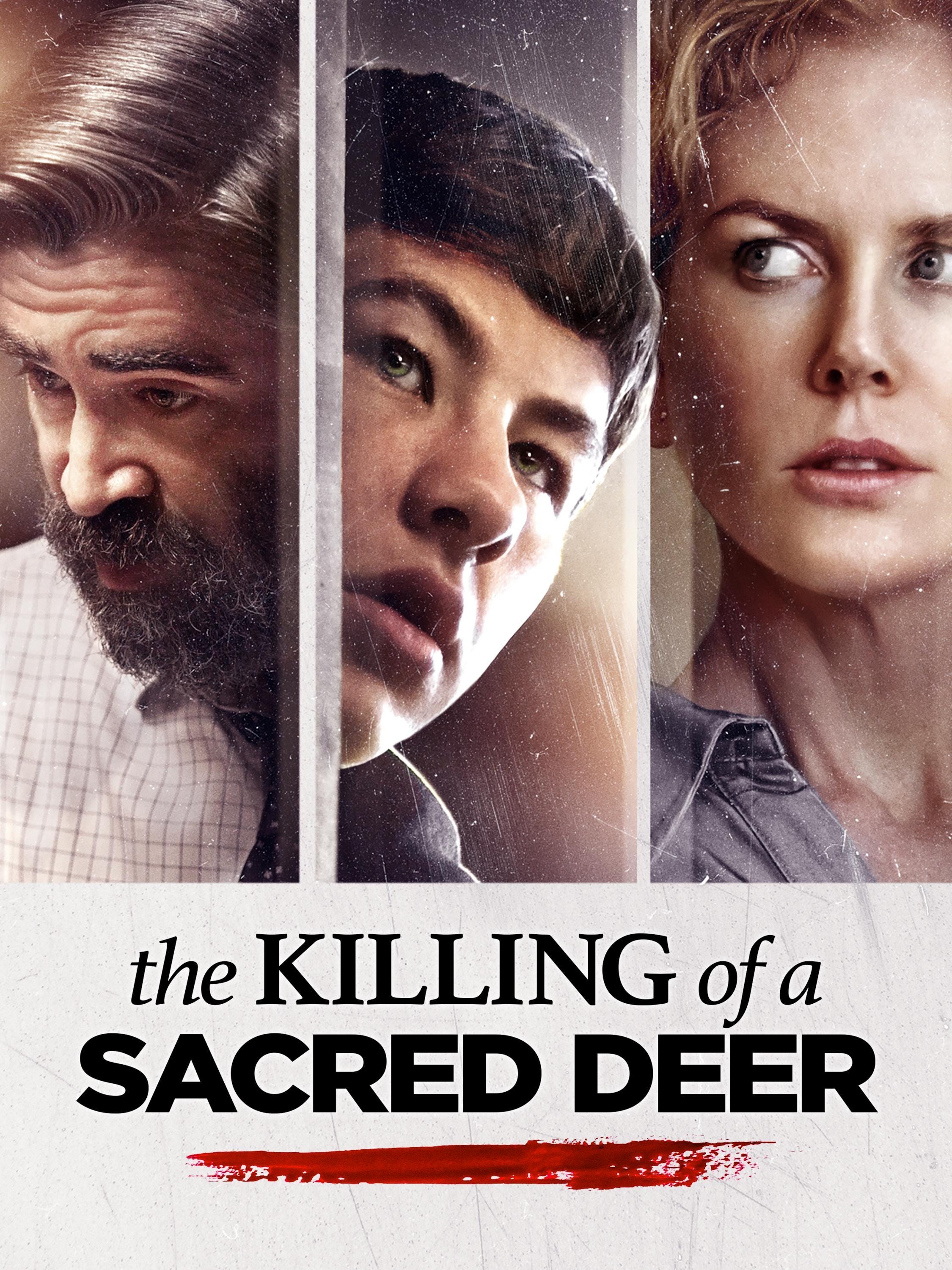
That’s part of what makes The Killing of a Sacred Deer so deeply unsettling.
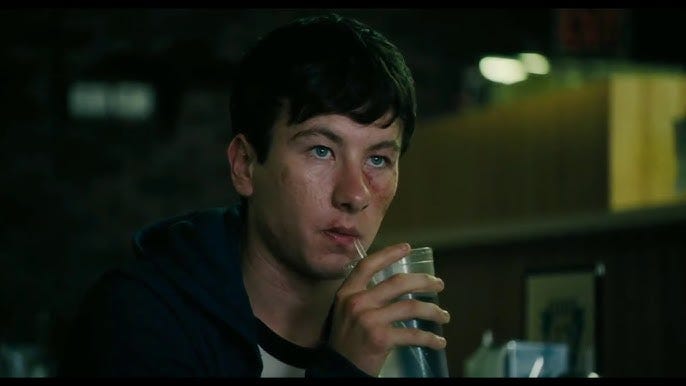
Directed by Yorgos Lanthimos, the film follows a successful surgeon, Steven Murphy, played with cold restraint by Colin Farrell. Steven develops a strange relationship with a teenage boy named Martin, played by Barry Keoghan in one of the most unnerving performances I’ve seen in years.
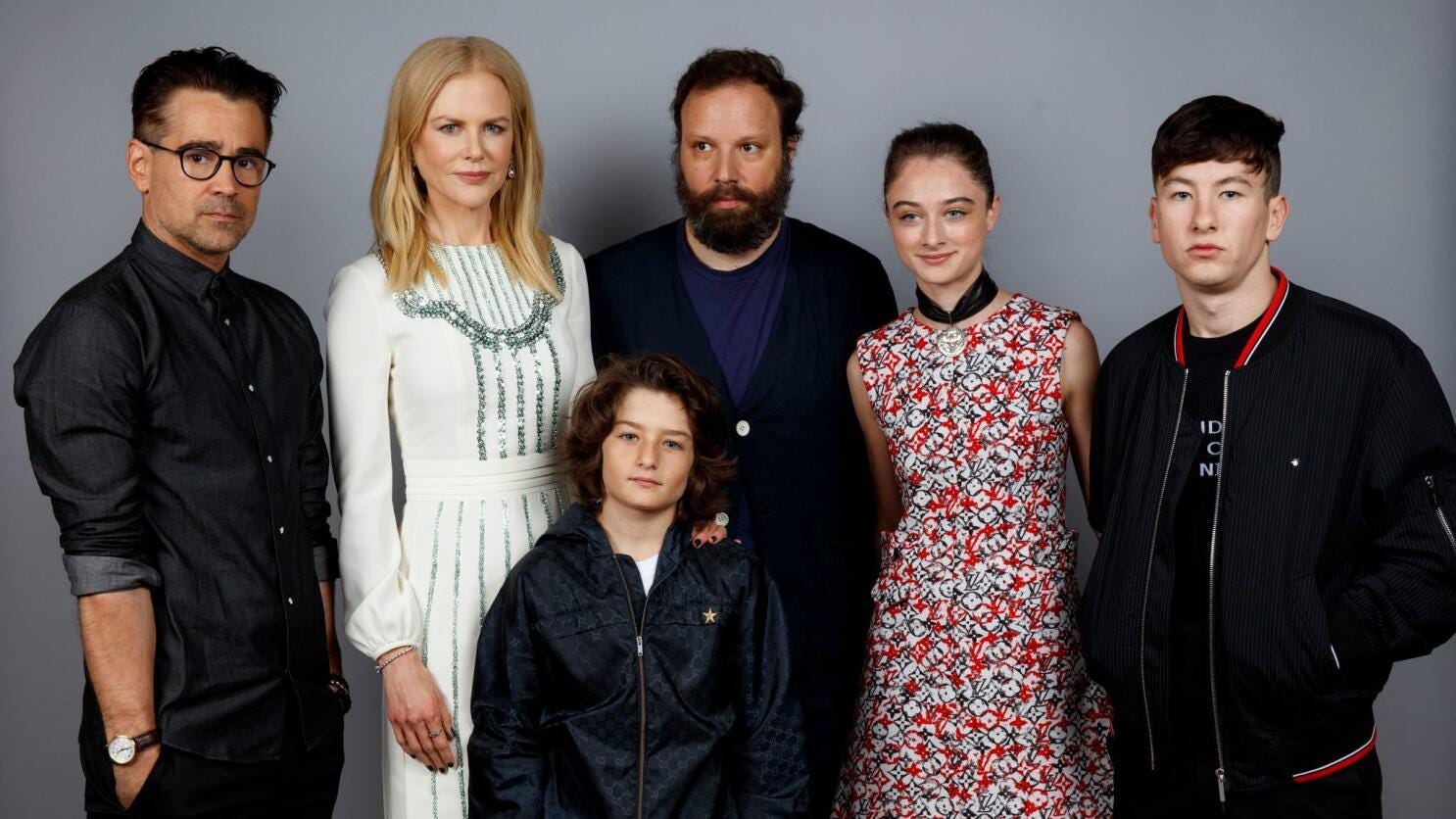
What’s fascinating is that Martin is not frightening in any conventional horror-movie sense. He isn’t physically imposing. He isn’t visually monstrous. He rarely even raises his voice. And yet from the moment the film settles into itself, you feel danger radiating from him.
Not because we understand him, but because we slowly begin understanding what he can do.
That distinction matters.
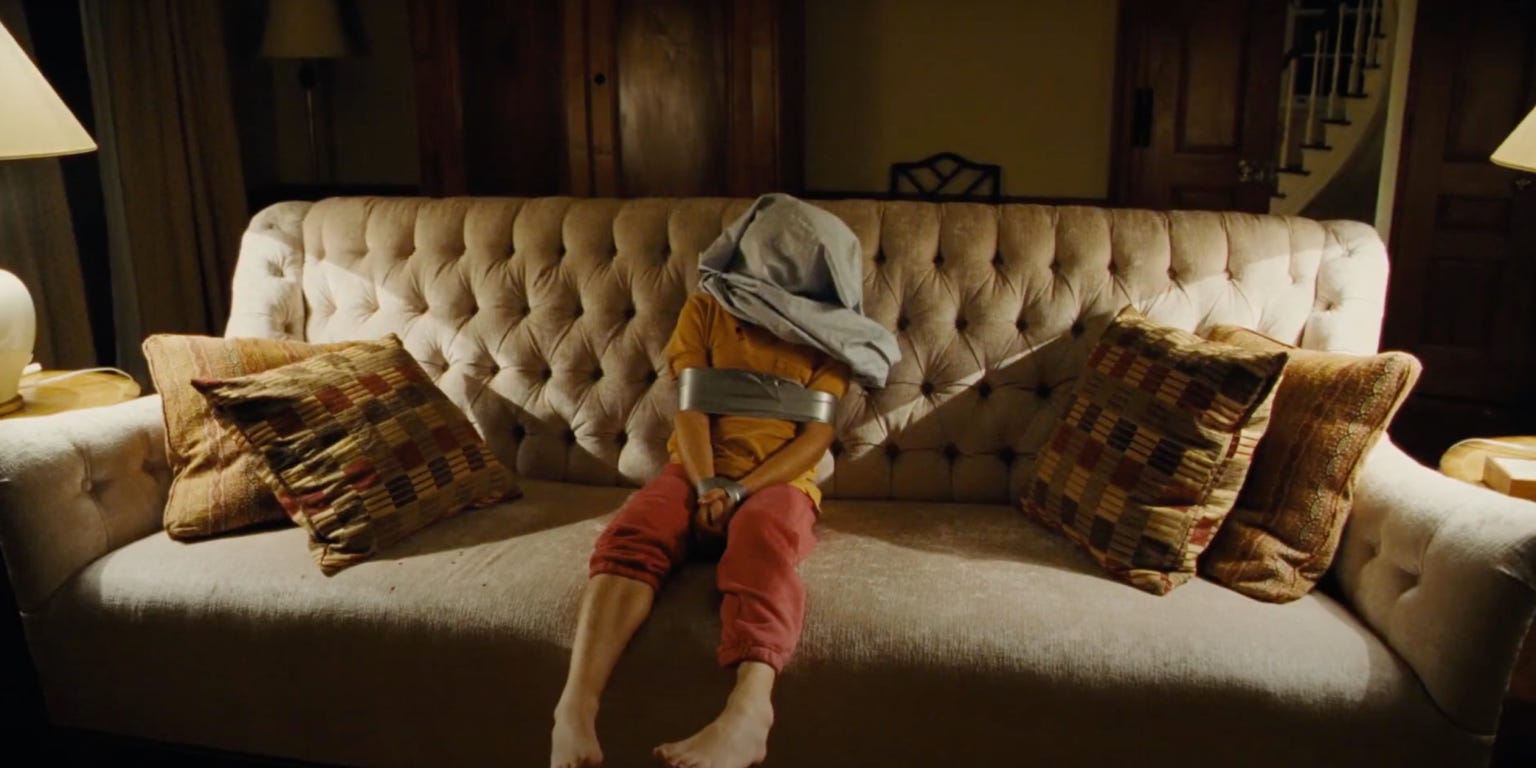
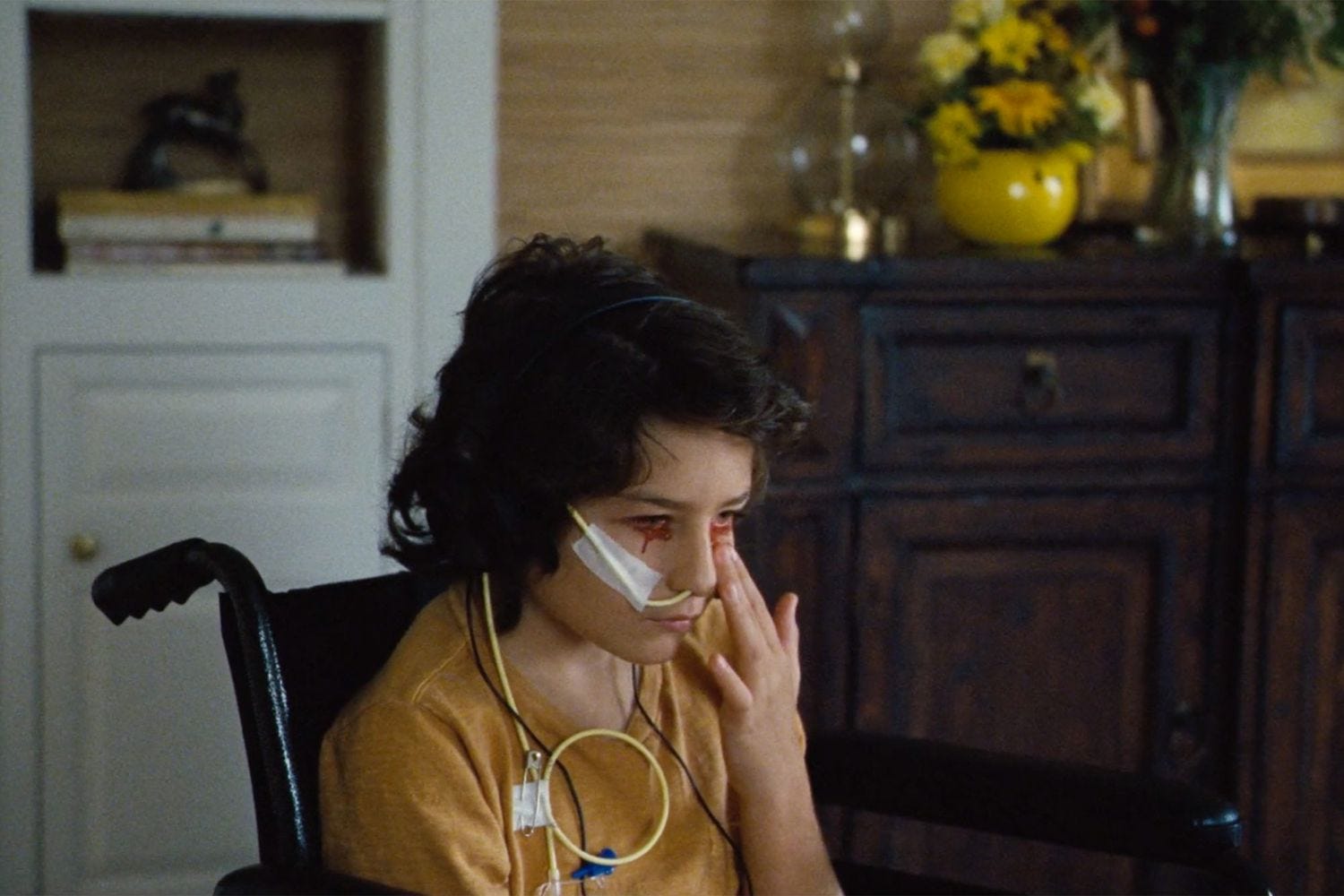
At a certain point in the film, Steven’s children mysteriously lose the ability to walk. Martin calmly informs Steven that unless he kills one member of his family, all of them will die. The film never fully explains how Martin possesses this power. There is no elaborate supernatural exposition. No scene where the mythology is decoded for the audience. No emotional unraveling where the film suddenly begins overexplaining itself in order to reassure viewers logically.
And somehow that makes it even more terrifying.
Because once the film establishes that Martin’s power is real, dread takes over completely.
That’s the lesson I keep returning to as I continue wrestling with horror in my own writing. The audience often does not need exhaustive explanation. Sometimes explanation actually weakens fear. Mystery creates space for the viewer’s imagination to participate in the terror, and human imagination will almost always construct something more frightening than exposition can.
The film is also extraordinary in its control of tone.
I know some viewers struggle with the unusual dialogue delivery. Characters speak with a strange emotional flatness that initially feels artificial or detached. But eventually I realized that the performances are functioning almost musically. The emotional suppression becomes part of the atmosphere itself. It creates a world where human behavior feels slightly off-balance long before the horror fully arrives.
That kind of tonal precision is incredibly difficult to sustain.
A lesser filmmaker attempting this style would likely lose the audience completely. But Lanthimos understands exactly how far to push discomfort without breaking the hypnotic tension of the film.
And the performances are brilliant.
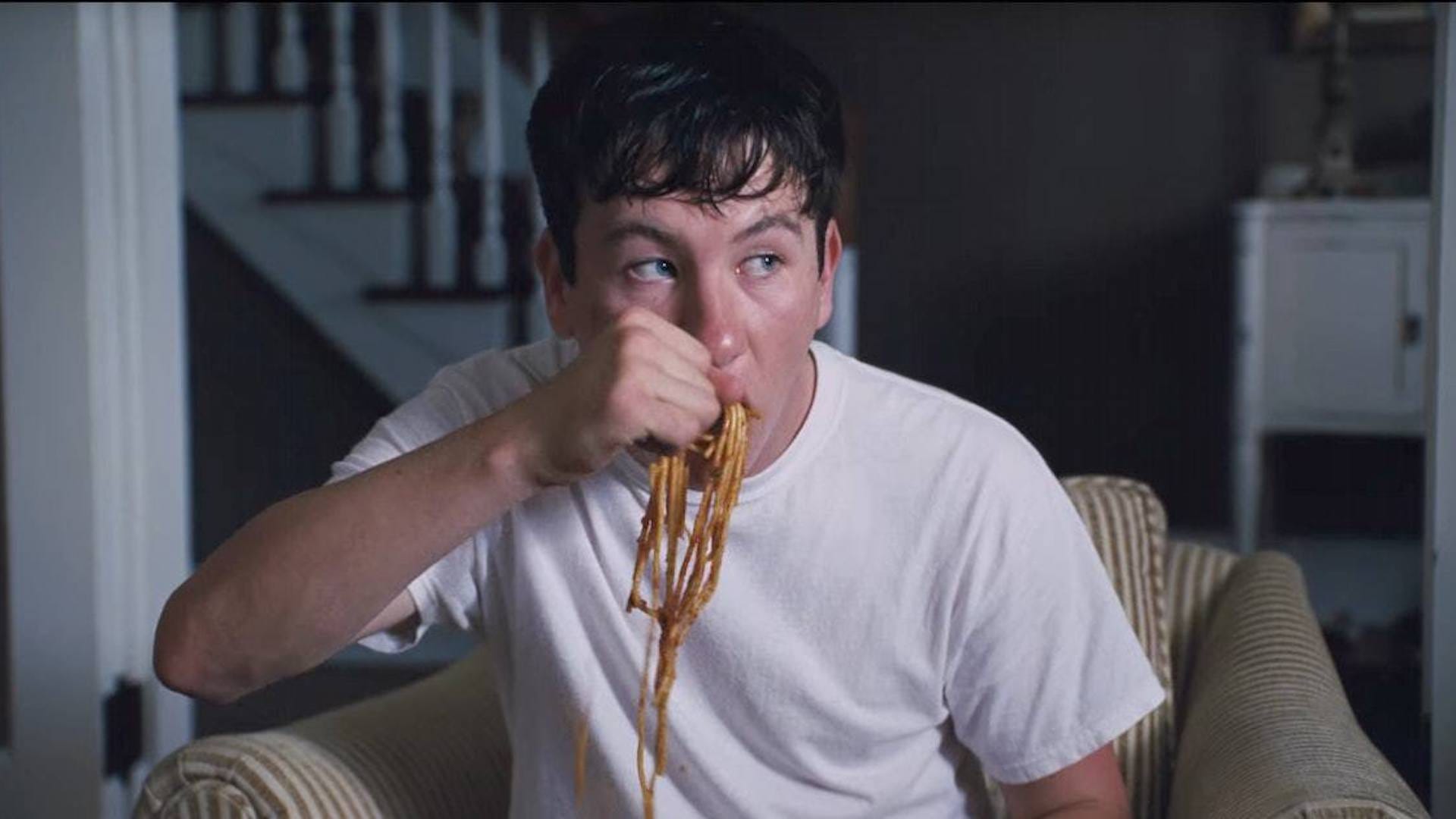
Barry Keoghan especially is astonishing here because he refuses obvious performance choices. Martin rarely performs menace in ways audiences have been trained to recognize. He doesn’t posture. He doesn’t rage. He barely changes emotionally at all. That stillness becomes horrifying because it feels so unknowable.
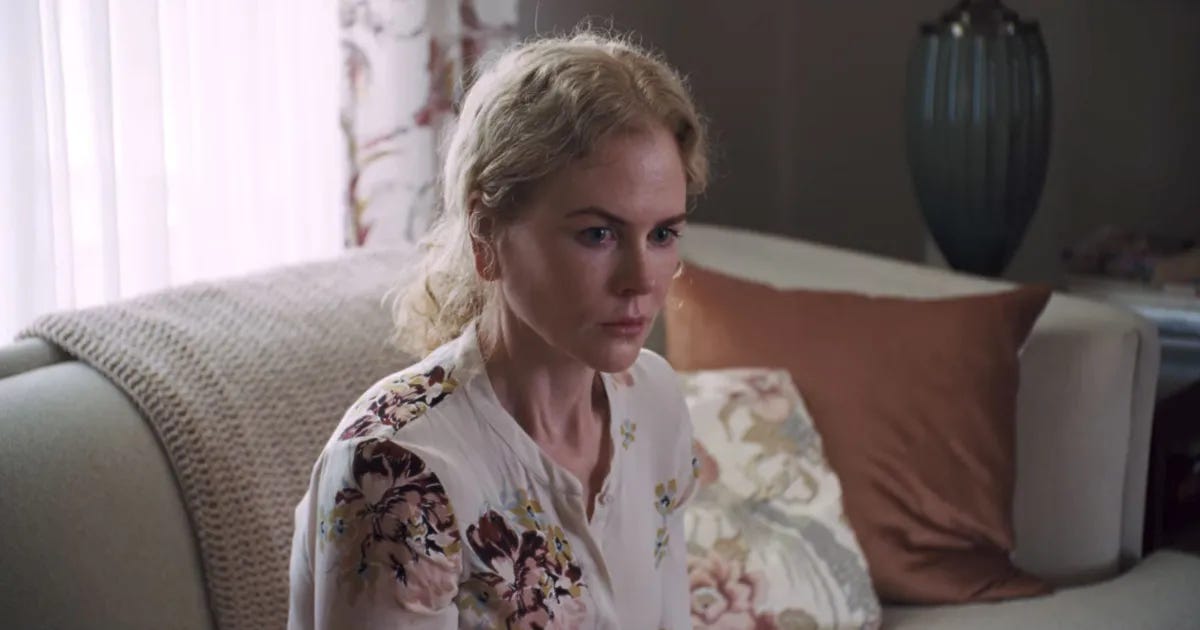
Nicole Kidman is also exceptional in the film. She understands something crucial about social performance — the rituals of composure, marriage, professionalism, upper-class emotional restraint. Her performance feels like someone desperately trying to preserve order inside a reality that no longer obeys logic.
And visually, the film is stunning.
There’s a beautiful long dolly shot early in the film of the doctors walking through the hospital hallway that immediately establishes the emotional architecture of the world. The camera glides with this cold, ghostly precision that feels controlled and ominous at the same time. Throughout the film, Lanthimos often frames characters from above or at a distance, making them appear trapped inside systems larger than themselves.
The hospital itself becomes terrifying.
Not because of gore, but because of ritual, hierarchy, emotional coldness, and inevitability.
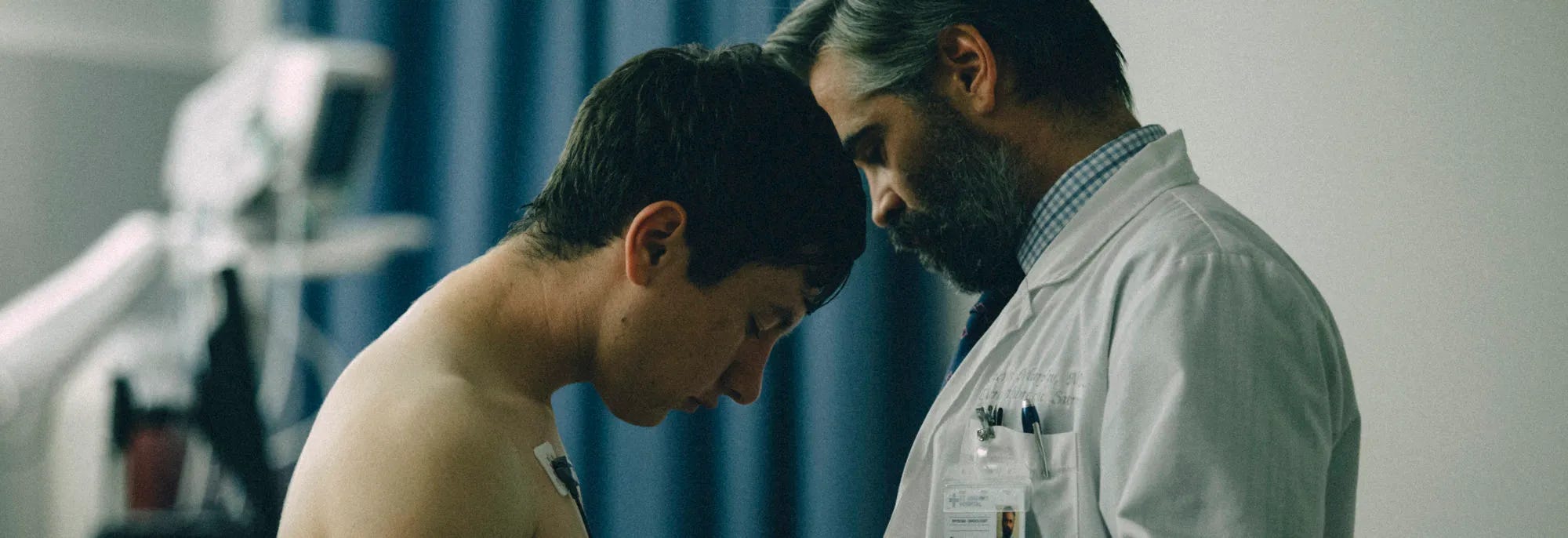
What stays with me most about The Killing of a Sacred Deer is not simply the plot. It’s the film’s confidence in withholding. Its refusal to overexplain itself. Its understanding that horror often becomes more powerful when audiences are forced to sit inside uncertainty rather than escape it through information.
As someone still wrestling with horror in my own work, I find myself returning to that lesson constantly.
Stacey Muhammad is a writer, director, and daughter of New Orleans. Her lens is committed to the cinematic testimony of Black life and the unyielding brilliance of the Southern imagination. From her upcoming feature film, The Return, to her directing work on series including Amazon Prime’s CROSS, Queen Sugar, Power Book III: Raising Kanan, and Harlem, she tells stories where Black people are the architects of the narrative, not the scenery. She is the creator of The Director’s Notebook, a digital film school and creative sanctuary for those reclaiming their birthright through craft and truth.
I’m of the opinion this is his best movie. Lanthimos is pushing out films but to me, so far, this is the high water mark. But I think he’s just getting going so hopefully Sacred will be down the list in the coming decades. I just put out an article on him awhile ago
This was incredible synopsis of the film, Stacey. I might need to revisit it again now.