

SOME STORIES REQUIRE BECOMING THE PERSON CAPABLE OF TELLING THEM
Patience, purpose, and trusting the journey of the work.

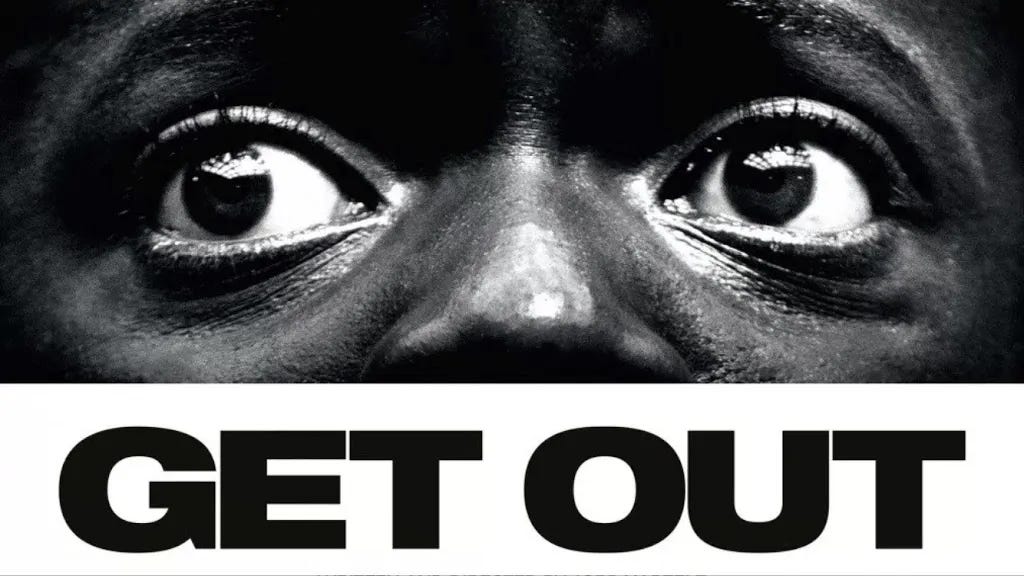
There are films that live in you long after you have seen them, and Get Out is one of those films for me. I have watched it so many times that it often plays in a continuous loop at home, and I never tire of it because it operates on every level that great cinema is supposed to operate on — as a story, as a cultural document, and as an act of pure filmmaking intelligence. So when I came across an interview with Jordan Peele recently about the making of the film, about the years and the doubt and the two hundred - TWO HUNDRED drafts that preceded the version the world finally saw, I found myself leaning forward in a way that felt less like curiosity and more like recognition.
There is a real story behind Get Out, and I am as fascinated by the process of how it came to exist as I am by the film itself.
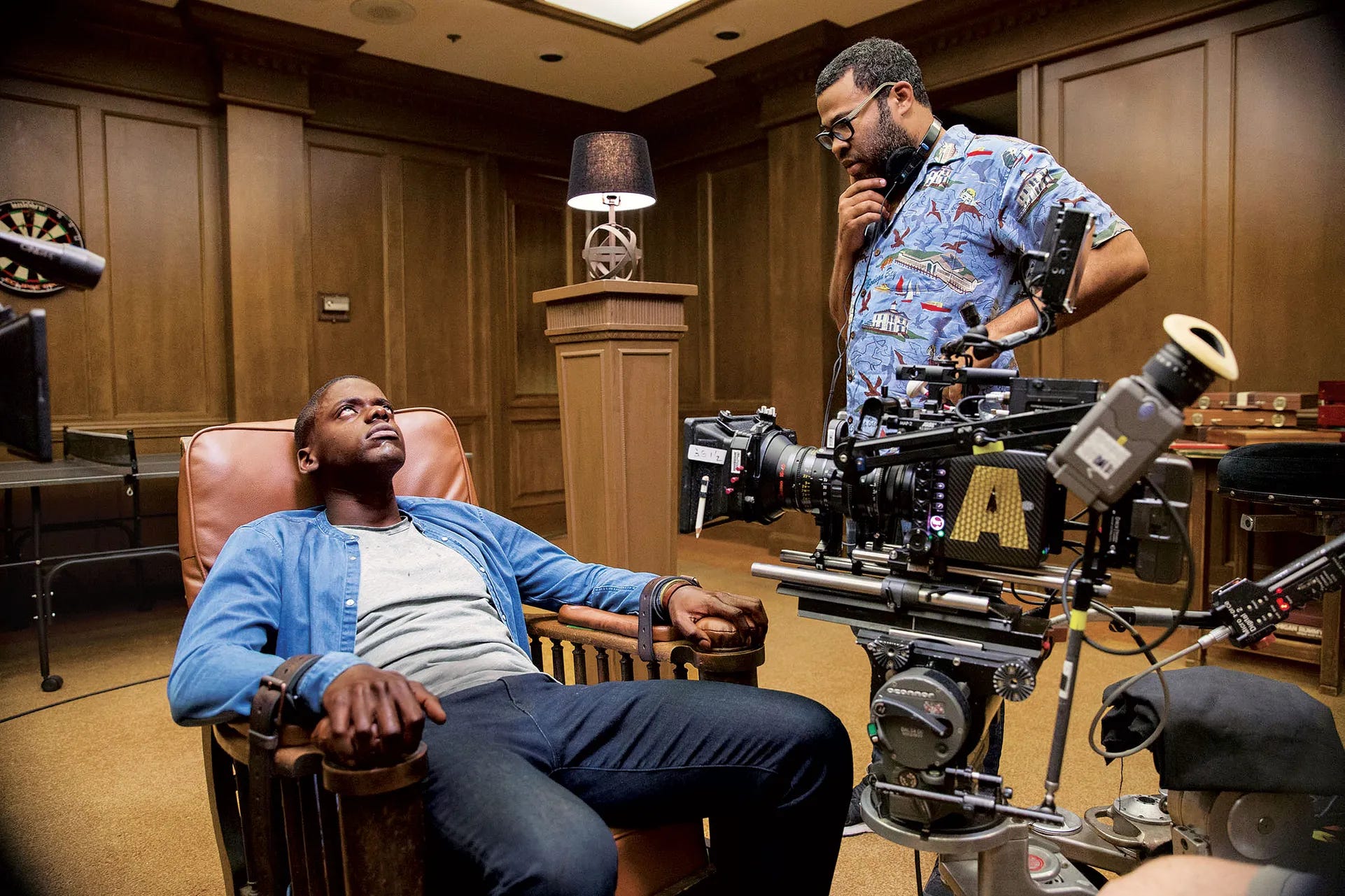
Peele has often said he stopped writing the screenplay approximately 20 times. Twenty times he put it down, convinced it was impossible, uncertain anyone would ever make it, unable to see a clear path from the vision in his mind to a film that would actually exist in the world. And then he would come back to it because he had to, because the story kept calling him back regardless of his doubt, his discouragement, or the practical realities of the industry surrounding him. He spent eight years developing the script, wrote over two hundred drafts, and worked in whatever pockets of time his comedy career allowed. When the film was finally made, it cost four and a half million dollars and grossed over two hundred and fourteen million worldwide. It became one of the highest-grossing R-rated genre films in history, carried almost entirely by word of mouth and the undeniable force of a story that clearly needed to be told and had been waiting patiently for the world to be ready to receive it.
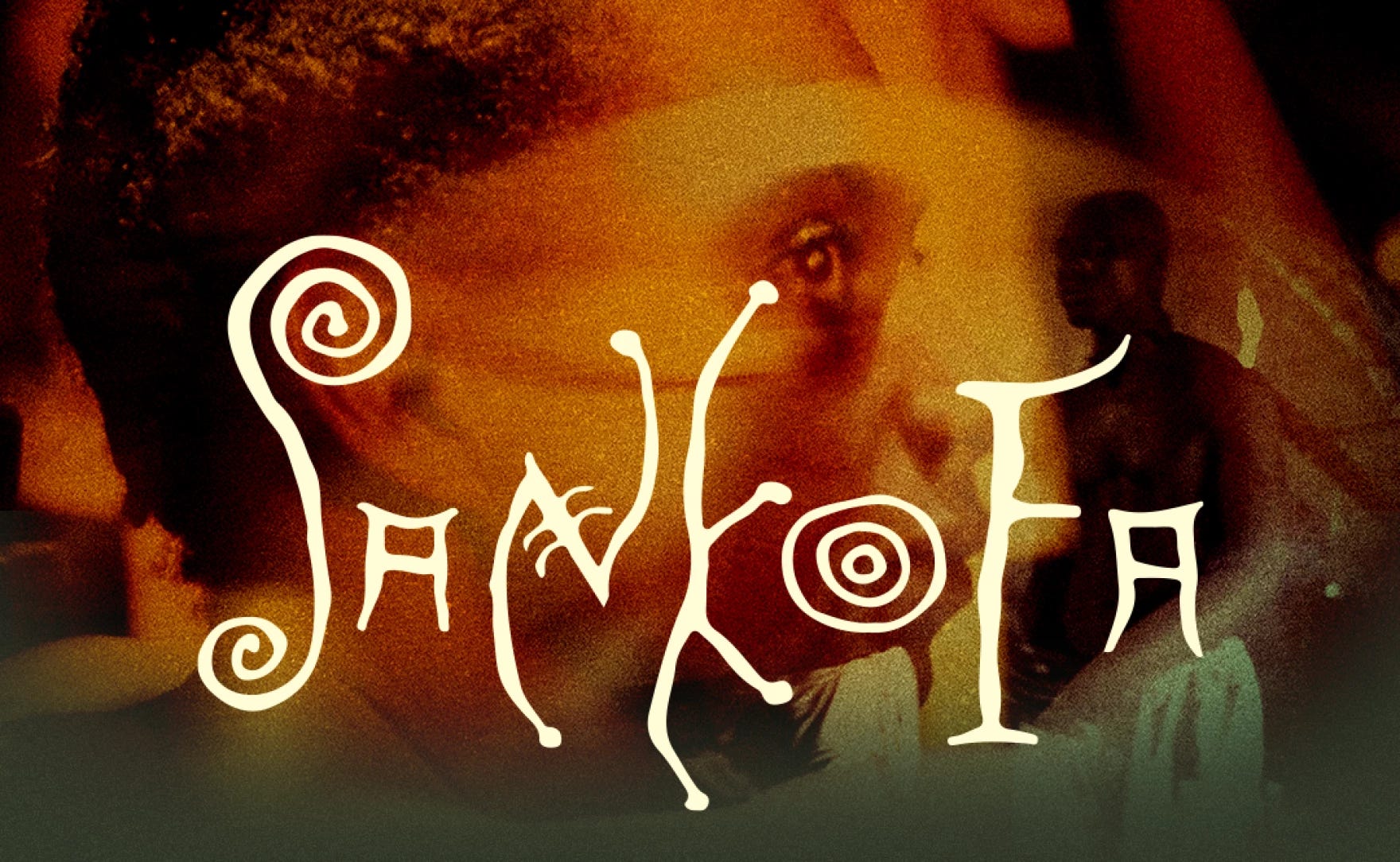
There is another film that lives in this conversation, and it belongs to a man who shaped the way I see cinema at its most fundamental level. Haile Gerima was my film teacher and one of the most formative presences in my development as a filmmaker. His film Sankofa, whose title comes from the Akan word meaning return to the past in order to move forward, took him the better part of a decade to bring into existence. He was repeatedly turned away by Hollywood, and financed the film through small grants and the faith of a community that believed in what he was making before the industry could see it.
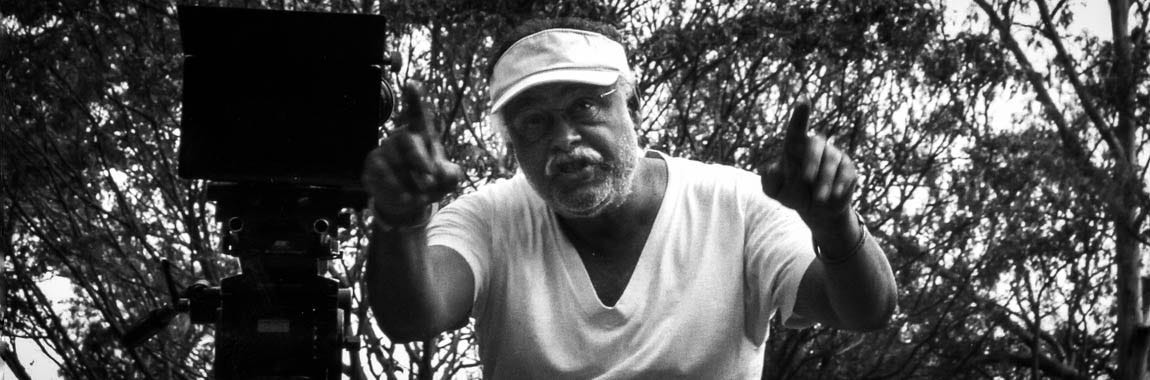
He distributed the film himself, renting theaters directly and trusting the word of mouth that moved through Black communities with an urgency and a hunger the studios had not predicted and could not account for. The audience came not because a marketing campaign told them to, but because the story was real and they recognized it.
Sankofa was shot in seven weeks and carried the weight of years inside it, years of research and refusal, and a filmmaker who remained faithful to a story the mainstream had decided was not worth telling, and who made it anyway, on his own terms, in his own time, for his own people.
Both of these films exist because their makers refused to let the journey’s difficulty become a reason to abandon the destination. That refusal, quiet and absolute and without negotiation, is what I keep returning to when I think about what it means to stay in a relationship with a story that is asking something serious of your life.
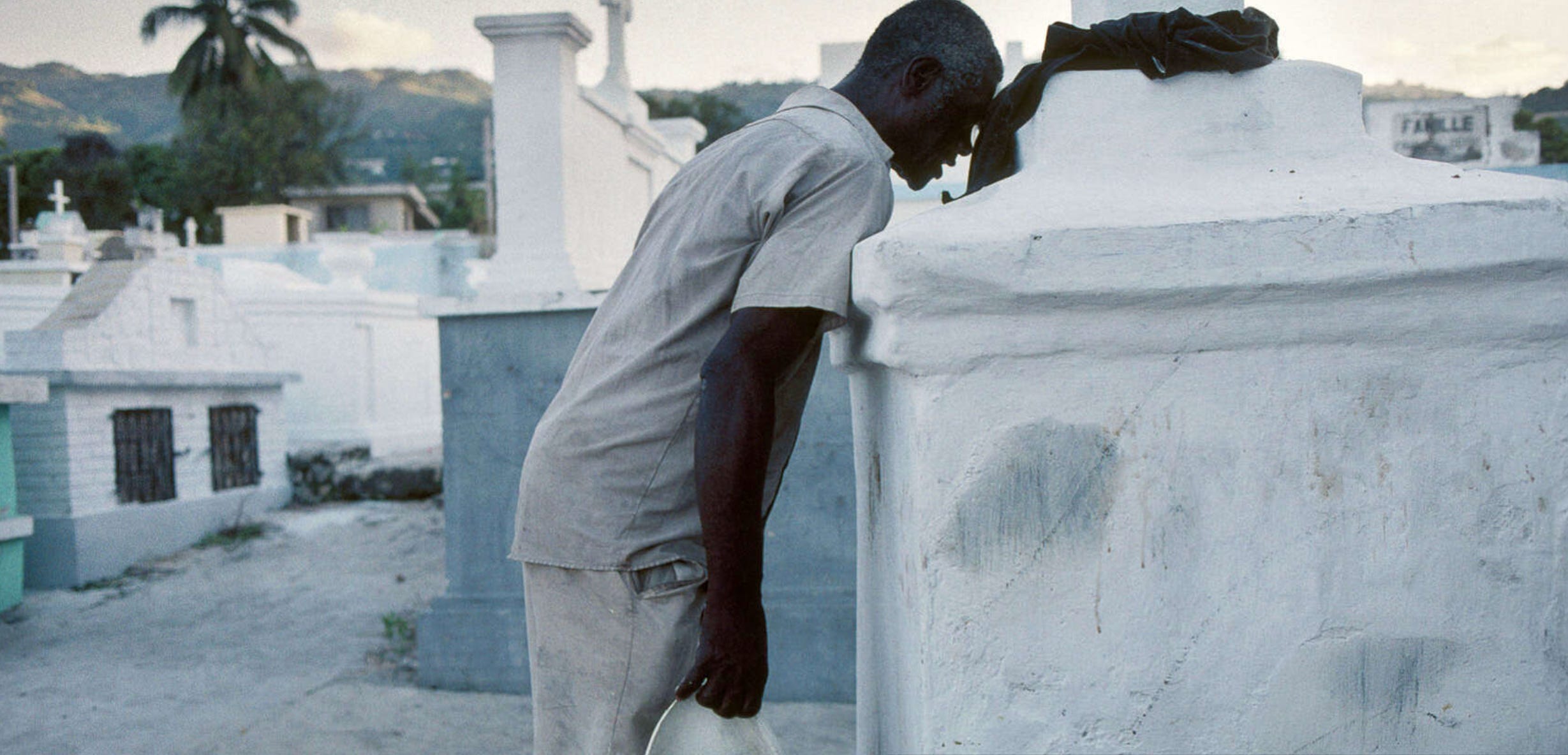
I have been writing the screenplay for my own horror film, The Return, for the better part of eight years, and I say that not as confession but as testimony.
There is something in acknowledging it that I believe other writers and filmmakers need to hear: the long road is not evidence of failure, and the slow unfolding of a project is not the same as a project that is not working. Sometimes the story takes exactly as long as it needs to. Sometimes what looks like a delay is actually deepening. Learning to tell the difference between those two things, to feel the difference in your body and not just rationalize it in your mind, is part of what the long journey of a serious project asks of you.
Over the years that The Return has been developing, I transitioned from a full-time independent filmmaker to a working television director.
Somewhere inside all of that, I evolved as an artist, deepened spiritually, and changed in ways that were personal and quietly altered the way I see, hear, and move through the world. I expanded technically, matured emotionally, accumulated the kind of life experience that cannot be rushed or manufactured, the kind that changes not only who you are as a person but who you are in a room, behind a camera, in conversation with a story that is asking something real of you.
And I have come to understand that the screenplay was developing alongside all of that, on its own terms and in its own time, the way certain things grow underground before there is any evidence of them above the surface.
The version of The Return I am writing now is not the film it would have been eight years ago, or even six months ago. The difference is not simply craft or technique but the fullness of a person who has lived more, lost more, understood more, and is therefore capable of telling it with a truth and a weight that was not available to me before.
And that becoming cannot be scheduled or hurried or willed into arriving before it is ready.
What these years have also given me is something I could not have anticipated when I first sat down with this story: a deeper understanding of my own family history and of the ways in which The Return is far more personal and ancestrally connected than I could ever have imagined at the beginning. There are threads running through this screenplay that reach back further than my own life, tied to people, places, and histories I am still in the process of fully understanding.
That knowledge has changed the way I hold the project, changed the reverence with which I approach it, and changed what I understand myself to be responsible for in its telling.
It is no longer simply a film I am writing, if it ever was. I have come to believe that it is something I was perhaps always meant to bring forward, that the story found me as much as I found it.
That kind of understanding does something to a writer that craft alone cannot do. It deepens your patience, steadies your commitment, and reminds you that some work belongs to a timeline larger than your ambition or urgency.
A few months ago, I stepped away from The Return, and I am honest about that here because I think honesty serves other artists better than a polished version of a creative journey that presents only forward motion.
The truth is that every long project has its seasons, and some of those seasons require you to put the work down and simply live for a while, trusting that what you gather in the stepping away will find its way back into the pages when you return.
This past weekend, I sat down with one of my writing and producing partners and revisited it. The feeling of returning to that world, of sitting again inside the story with someone who believes in it as deeply as I do, confirmed something I already knew but needed to feel again in my body: this story is mine, it is asking to be made, and it has been waiting with a patience that I am still learning to match.
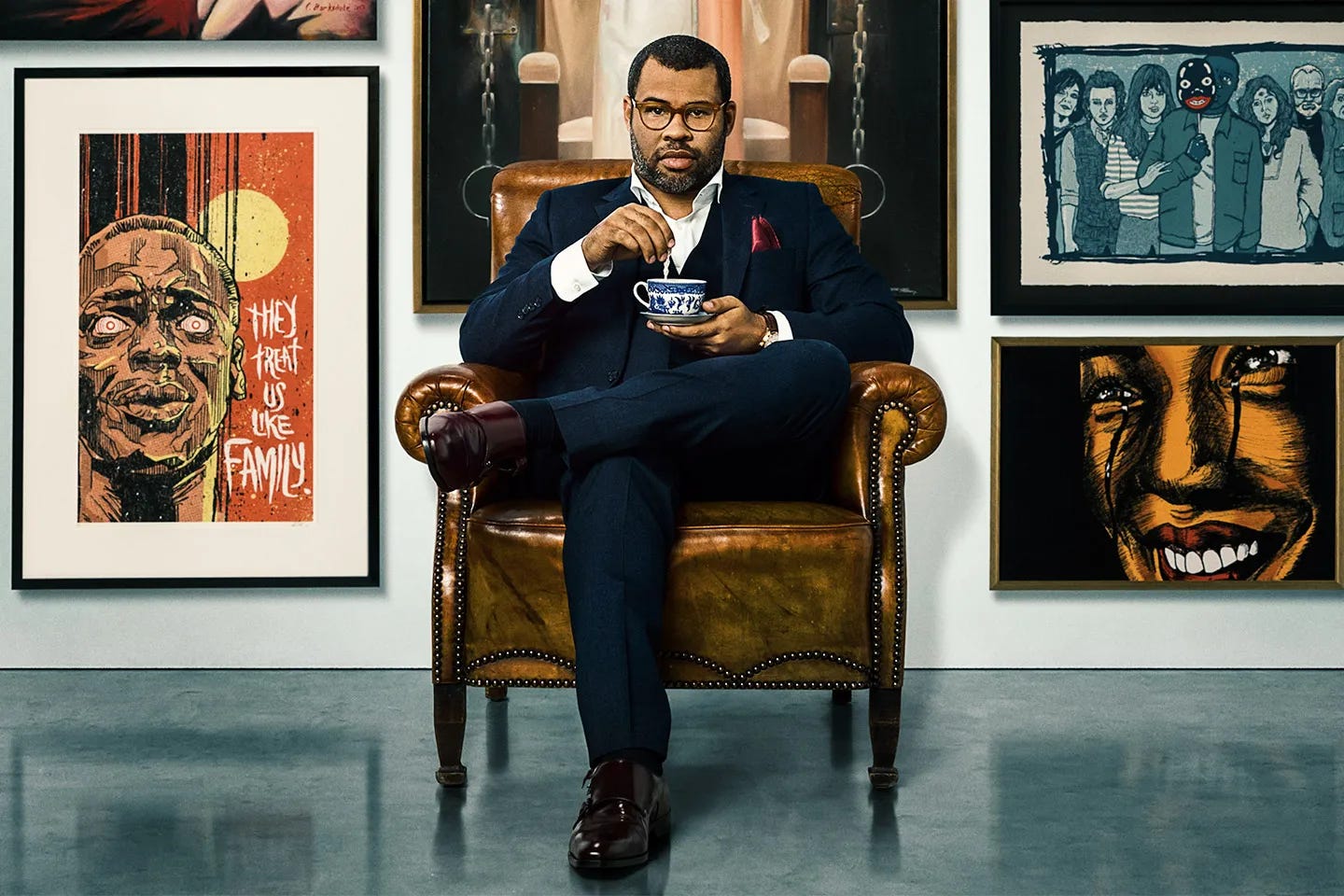
And perhaps that is why Peele’s own words on the subject have stayed with me the way they have. In his own telling: “I stopped writing this movie about twenty times because I thought it was impossible. I thought it wasn’t gonna work. I thought no one would ever make this movie. But I kept coming back to it because I knew if someone let me make this movie, that people would hear it, and people would see it.”
What moves me most in that statement is not the persistence. However, the persistence is extraordinary, but the knowing, the quiet certainty that lived underneath all of the doubt and the discouragement and the twenty times he walked away, a certainty that the story had something to say and that he was the one meant to say it.
That kind of conviction is not arrogance, it is the authority of an artist who has listened carefully enough to recognize the difference between a story they want to tell and a story they were called to tell, and who understands that the calling does not dissolve simply because the conditions are difficult or the timeline is long or the industry has not yet found a way to see what the artist already knows is there.
Calling is not the same as ambition, and the distinction matters more than most people in this industry are willing to say out loud. Ambition wants recognition, wants arrival, wants the external confirmation that the work has value and that the person making it belongs in the room. There is nothing wrong with ambition, but it is not sufficient for the kind of work we are talking about, because ambition is conditional in a way that calling is not.
It keeps you at the desk when no one is watching, keeps you returning to the pages after months away, keeps you asking the story what it needs from you rather than asking the industry what it needs from you to greenlight what you already know must exist. Calling is the thing that was present before the career began and will remain long after the credits roll, the thread that runs through everything you make, whether the world acknowledges it or not. It is the part of you that is not performing but simply being, not seeking but answering.
And when you are working from that place, something shifts in the way you understand time. The long timeline of a difficult project begins to feel less like a measure of your progress and more like a reflection of the depth the work is asking you to reach, and you begin to understand that the length of the journey is not a punishment but an invitation. The story has always known exactly how much of you it would require.
We cannot measure our success by what Hollywood considers success. That framework was not built with our stories in mind, and it does not have adequate language for what it means to make a film that carries ancestral weight, that speaks to and through a community, that arrives in the world not because a studio decided it was marketable but because a person decided it was necessary. Haile Gerima did not wait for Hollywood’s permission to make Sankofa.
The communities that found that film did not need a critic to tell them it mattered. It mattered because it was true, and because it was made by someone who understood that some stories belong to a people and not to an industry, and that the person entrusted with those stories has a responsibility that goes far beyond the commercial.
We often tell stories with an ancestral dimension, stories connected to something larger than a single life or a single moment in time. That kind of story takes as long as it takes. Not because something is wrong, but because something is right, because the work is asking you to go deeper than the first draft, deeper than the tenth, deeper than the version of yourself who first sat down to write it. The story is not waiting for the industry to be ready. It is waiting for you to be.
The journey of a long project is not a straight line, and the people around you will not always remain constant across the full arc of it. Producers will come and go. Friends will come and go. Collaborators will enter and exit at different chapters of the process. Life will intervene in ways large and small, in ways that stop you completely and ways that quietly redirect you toward something the work needed you to find.
But the story is yours. Your relationship to it is the one thing that does not belong to anyone else, the one thread you are responsible for maintaining regardless of what shifts around you.
That ownership is not incidental. It is everything. It is what keeps the story alive through all the seasons when no one else can see it or hold it but you.
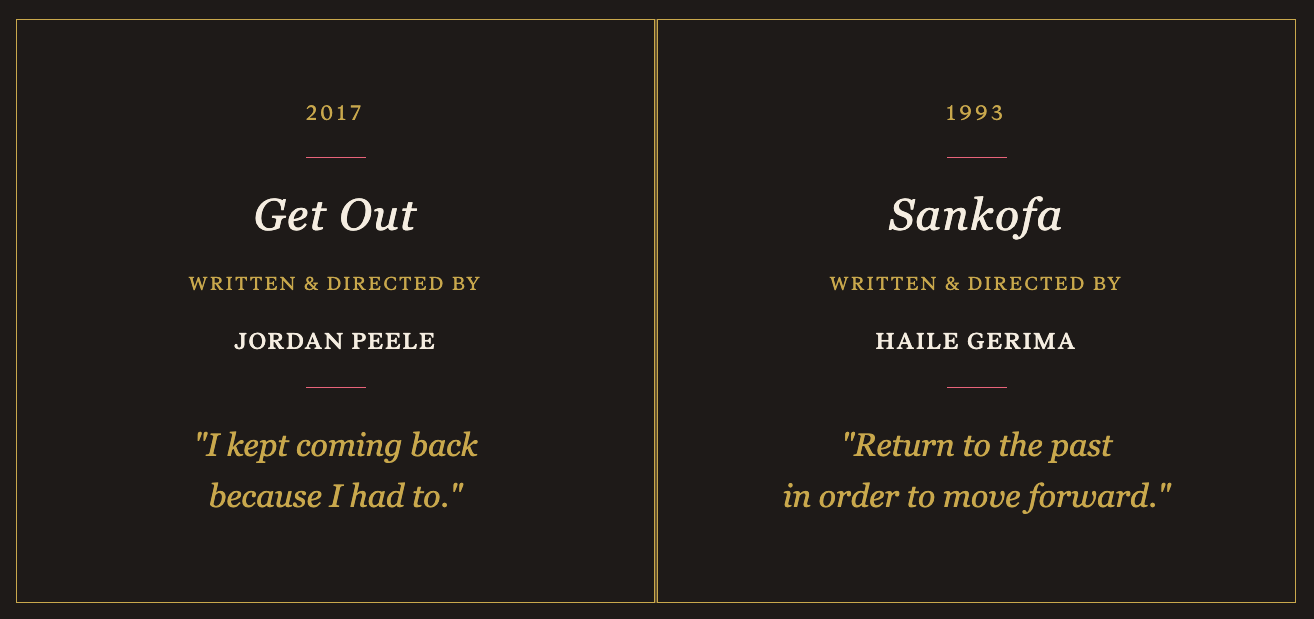
Jordan Peele kept returning. Haile Gerima kept returning. Not because the path was clear, but because the story was calling.
They had learned to trust that the call itself was enough, that the vision did not require external validation to be real, and that the work of becoming the person capable of telling a story is as sacred as the telling itself.
So keep going. Whatever the project is that you have set aside, that you have doubted, that you have told yourself is taking too long or asking more than you have to give right now — keep going. Stay in a relationship with it. Trust that what you are living in the time between drafts is not wasted but gathered. Your life is feeding the work even when you cannot see it happening. The story will be stronger for everything you brought back to it when you finally returned.
You were given this story for a reason. That reason does not expire.
Keep going!
Stacey Muhammad is a writer, director, and daughter of New Orleans. Her lens is committed to the cinematic testimony of Black life and the unyielding brilliance of the Southern imagination. From her upcoming feature film, The Return, to her directing work on series including Amazon Prime’s CROSS, Queen Sugar, Power Book III: Raising Kanan, and Harlem, she tells stories where Black people are the architects of the narrative, not the scenery. She is the creator of The Director’s Notebook, a digital film school and creative sanctuary for those reclaiming their birthright through craft and truth.
Sis, I cannot tell you adequately how much this post blessed me today...tears dripping down my nose as I try to type. Because surely the calling that you describe here is what keeps me moving between media to continue my genealogical work. Even when the funding is very iffy. Even when all kinds of activities and expenses pull me hither and yon. Those ancestors keep calling to me, begging me to bring their existence into the light. So I persist. Thank you for validating that feeling, when few others understand why it just won't leave me be. And I will continue to watch your work, seeing myself and my people in all of our multifaceted glory that you convey.
Oooooh this is so real! I started writing my pilot about 15 years ago and we go into production this summer. And rereading my old drafts is fascinating. I had to live out the arc of the character I’m playing before I could truly write it.