

Directing Actors: Truth, Action, and Trust
Notes on guiding performance, protecting vulnerability, and directing with precision

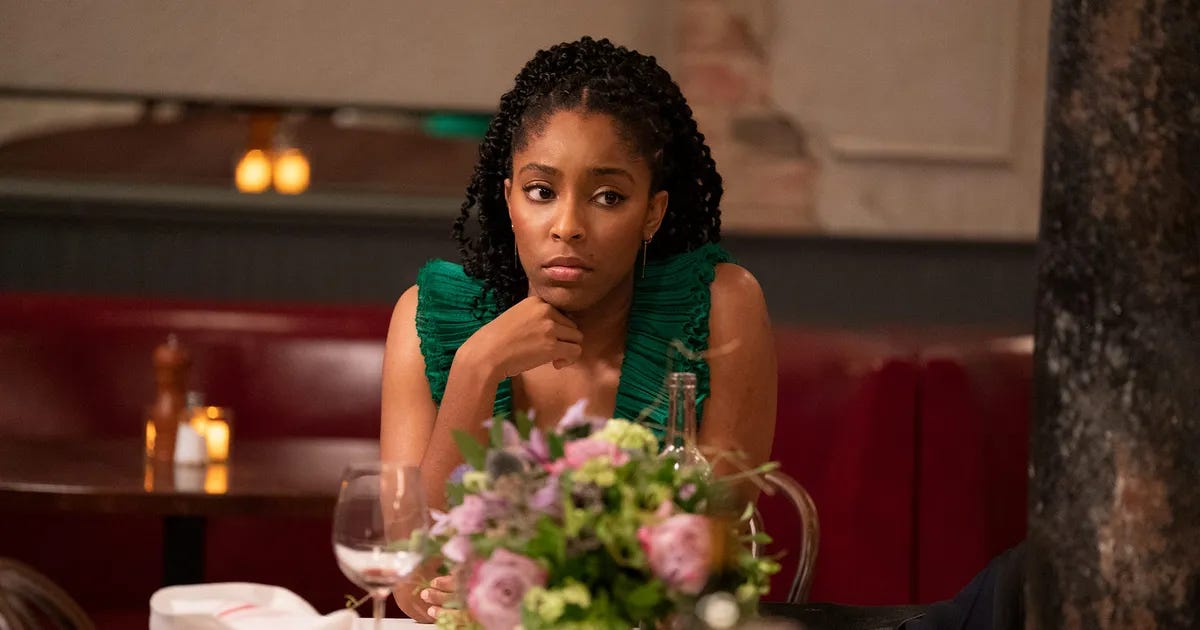
The first thing I look for in a performance is truth.
Performance does not lie. You can tell when an actor is fully inside a moment and when they are performing the idea of it, and once you have seen that distinction enough times, it becomes impossible to miss.
The other thing I am always looking for is emotional commitment, not melodrama or volume, but real commitment. I mean the willingness to enter the emotional reality of the scene without protecting oneself from it, to actually feel what the moment is asking and let that feeling lead. That kind of bravery reads on camera whether the actor is whispering or screaming.
At its core, directing actors is about building a pathway to that truth, not by controlling the performance, over-explaining the moment, or trying to force an emotional result, but by guiding the actor toward what the story genuinely needs.
The work is subtler than many people realize.
A director is guiding an artist toward the emotional necessity of the scene while operating inside a machine that moves quickly, costs money, and rarely leaves much room for gentleness. Which is exactly why your leadership has to create that space anyway.
That is the work.
1. Direct the truth, not the performance
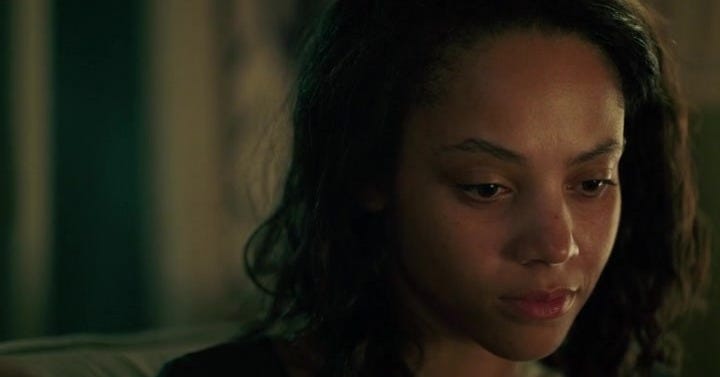
A director can always tell when an actor is acting. What matters is what happens next.
When performance shows up instead of truth, the instinct can be to critique it or try to correct the surface of it. But the deeper work is not really about correcting the performance. It is about helping the actor reconnect to the life of the moment.
So instead of trying to adjust the feeling, I go back to the aim. What is the character reaching for right now? What are they demanding, protecting, avoiding, refusing?
Sometimes that means sharpening the objective. Sometimes it means reminding the actor what is actually at stake in the scene. And sometimes it means helping them stop trying so hard to produce the moment and allowing themselves to surrender to it instead.
Actors rarely lose the truth because they lack emotion. More often, they lose it because they begin trying to manufacture the moment rather than inhabit it.
At that point, the work is to guide them back to something simple and playable: a clear objective, a concrete action, an honest response to what is happening in front of them or rising inside them.
Once that connection returns, something shifts. The performance falls away. What remains is behavior, and when that behavior is honest, the camera knows it immediately.
2. Give actors something playable
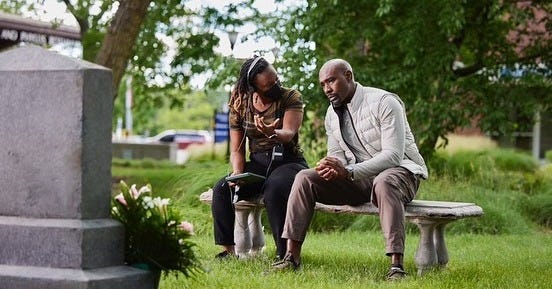
I don’t tell actors what to feel. I give them something playable, something active, something the body can do and the camera can believe.
If I need more emotional depth from a moment, I’m not giving a note like “be sad” or “be happy.” I’m looking for the action underneath the feeling, the thing the character is trying to hold, hide, protect, ask for, or resist.
Sometimes that sounds like this: hold it, let it register, don’t let them see you break, ask for what you cannot afford to ask for, stay even when you want to run.
If I need more force from the scene, the note might shift toward pressure: press them, expose them, corner them, make them answer.
If I need more tenderness or restraint, it might become: lower the weapon, protect them, earn their trust, keep them close.
Emotions are unreliable instructions. Actions are playable.
When an actor commits to a clear action, emotion often arrives on its own. And when it doesn’t, that absence usually tells you something useful. It may point to the relationship, the writing, the circumstances, or simply what still needs to be clarified in the scene.
Either way, the work is moving closer to the truth.
3. Technique must be fluid
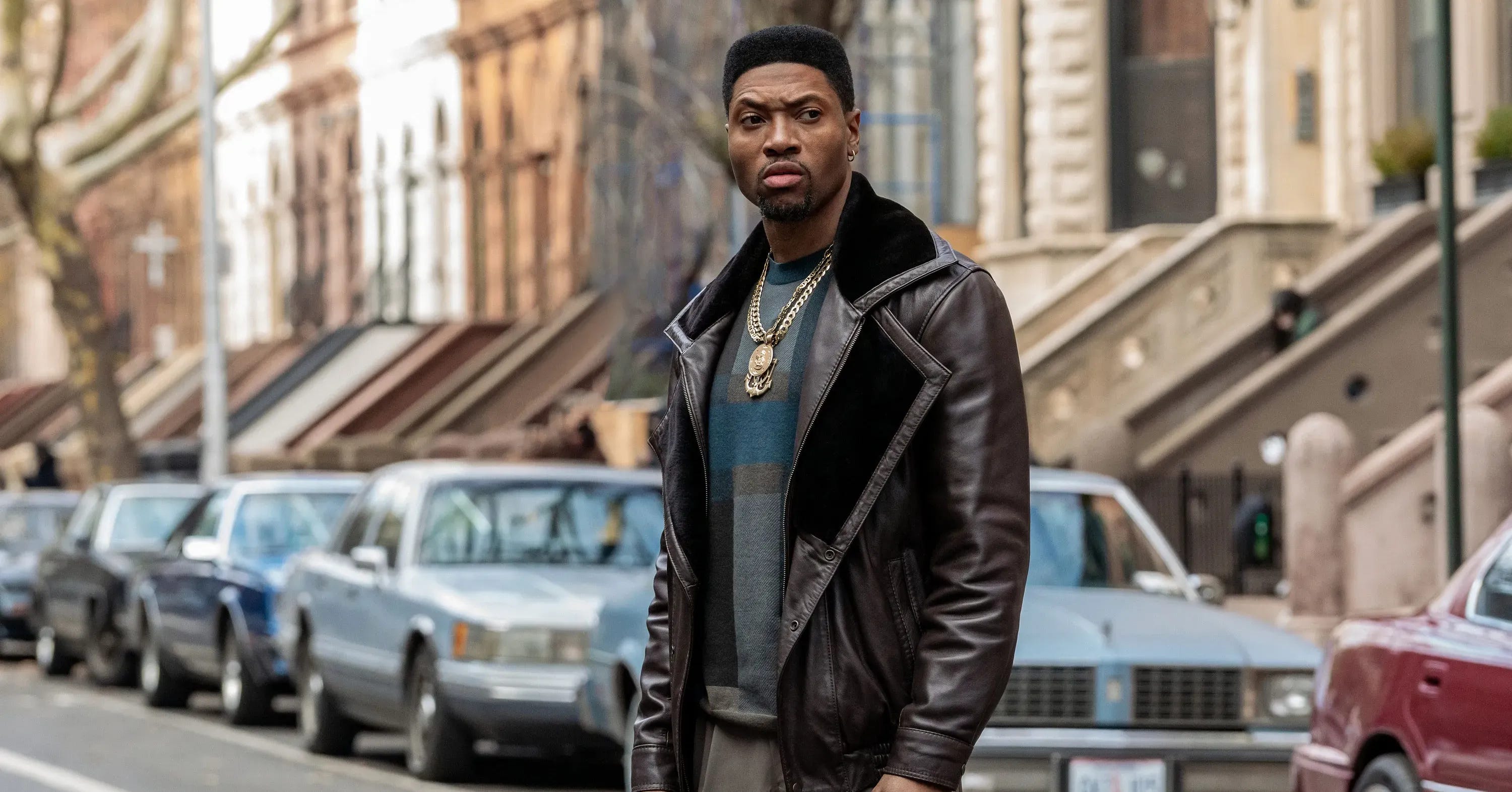
There is no single method that works for every actor.
Some actors want conversation. They want to talk through the scene, locate the intention together, and ask questions about the emotional architecture of the moment. They need language. They need to understand where the scene lives inside the larger story and what is shifting internally from one beat to the next.
Other actors want fewer words. They want one precise adjustment and then room. They want to feel their way there. They work from instinct, rhythm, and impulse more than discussion.
Both approaches are valid.
The director’s responsibility is to recognize who is standing in front of them and meet that actor where their instrument functions best.
Every performer arrives with a different process, a different sensitivity, and a different emotional vocabulary. Some need to feel safe before they can be free. Some need to feel challenged before they come fully alive. Some need reassurance. Some need silence. Some need to hear the note once and go. Others need to ask a few questions before they can unlock the same thing.
None of that is wrong. What is wrong is assuming that the same key opens every door.
That is why directing requires listening, observation, and humility. You have to pay attention not only to the performance, but to the person giving it. You have to know when an actor is asking for help, when they are asking for space, and when they are asking you, without saying it out loud, to trust them.
Fluidity is the ability to adjust your approach without losing the spine of the scene. It is knowing that your job is not to make every actor work the way you work, but to guide each actor toward the truth by way of what is most alive and usable in them.
There is no single road to truth. There is only the discipline of learning who is in front of you and directing them accordingly.
4. When a scene reaches beyond the page
While directing Cross, I worked on the scene where Luz shoots Esteban, played by Jeanine Mason and Rene Moran.
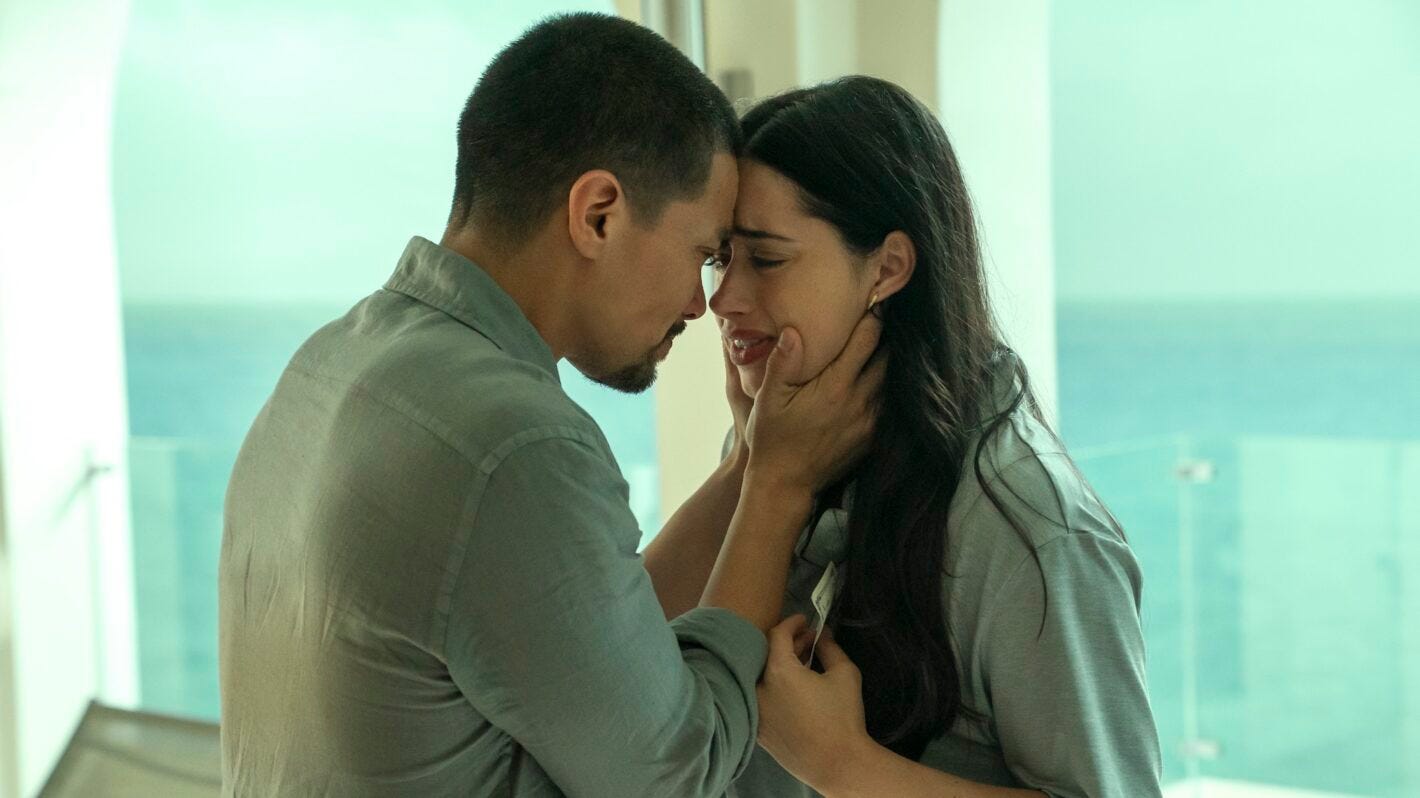
The scene is emotional on the page, but what Jeanine and Rene found in it on set went deeper than I expected. Jeanine came to Luz with real clarity. She understood the discipline of a woman so committed to her mission that tenderness itself becomes dangerous. She could hold the steel of that character while still letting us feel the ache underneath it.
Rene brought something equally essential. He understood that Esteban could not simply function as a romantic figure in the story. He had to feel like a man whose love, belief, and devotion were real enough to make the loss matter. That is what gave the scene its weight. It was not only tragic. It was intimate. Both actors understood that these were two people who had genuinely reached one another, and that recognition made what followed even more painful.
There are moments on set when everyone can feel that something fragile is happening in front of the camera. The air shifts. No one wants to interrupt what the actors are finding.
This was one of those moments.
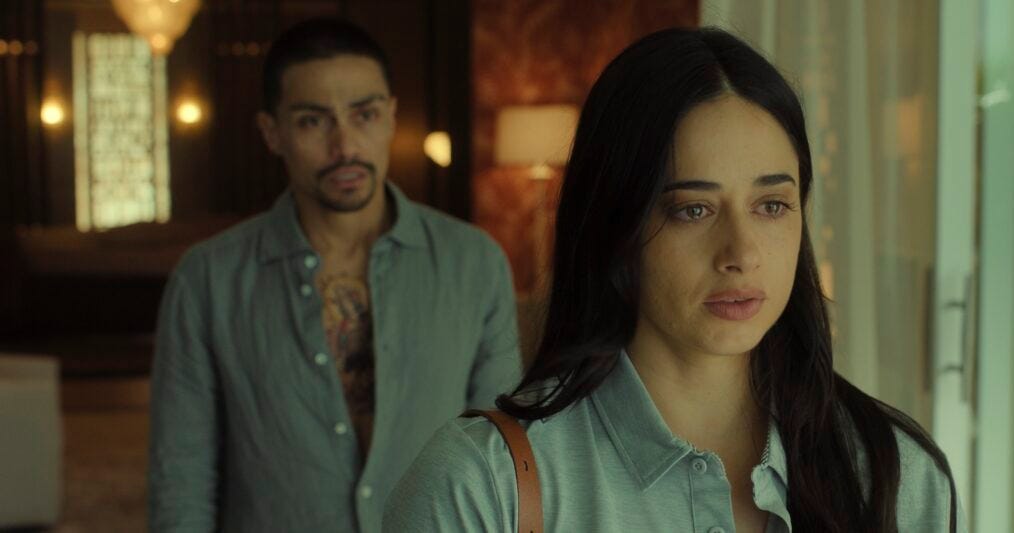
Jeanine and Rene were fully inside the emotional reality of the scene, the love between these two people, the inevitability of what was about to happen, and the fact that the act itself was both intimate and unbearable. When the take ended, there was a brief stillness.
After one of our takes, Rene and I embraced. We hugged. We cried. The moment was both beautiful and heartbreaking. It was the first time I had shared an experience like that with an actor to that extent, and it reminded me of something fundamental about directing.
The camera does not simply record images. It records human beings undergoing something real in the present moment. When an actor fully commits to the circumstances of a scene, the body responds. Grief, fear, tenderness, conflict, all of it moves through the nervous system in real time, and the camera sees that. Not the idea of it, but the cost of it.
Moments like that cannot be forced into existence. They are built through trust.
5. What Working With Patina Miller Deepened in Me as a Director
Working with Patina Miller on Raising Kanan deepened something in me as a director.
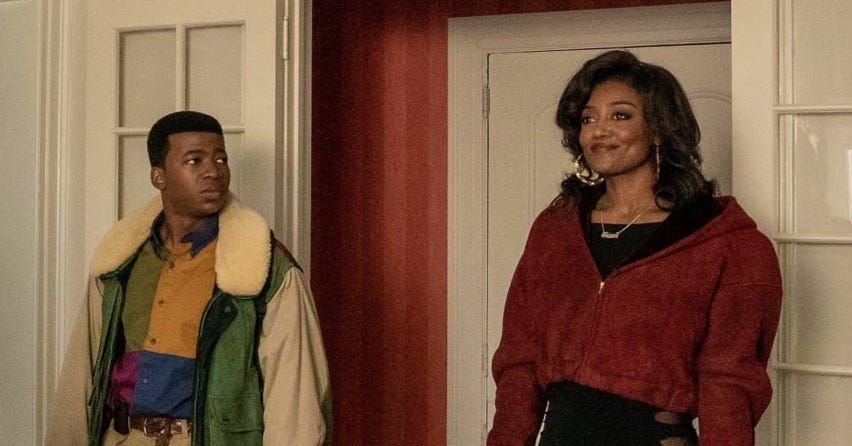
Much of what the experience clarified, I already understood in principle: actors do not need to be dominated, over-directed, or pushed into truth. What they need is precision, trust, and a director who knows how to recognize what is already alive in them. But watching Patina embody strength and vulnerability with such precision sharpened my understanding of what it actually takes to direct that kind of performance well.
What makes her work as Raq so compelling is that she never plays strength as hardness alone. She understands what lives underneath it: pain, secrecy, calculation, fear, desire, and maternal instinct. She understands how a mask becomes armor and how armor becomes survival.
That is what gives the character her force.
And that kind of performance teaches a director something. It teaches you that strength is rarely the whole story. More often, it is the visible structure built around something more fragile, more dangerous, more private. If a director only chases the authority, the performance can flatten. If they only chase the softness, they lose the cost of what that softness has had to survive.
Working with Patina deepened my understanding that great performances are often built on what is being protected, not just what is being expressed.
And a director has to know how to see both.
What follows is the part of the work that lives on set: how I handle the moment after “cut,” how I protect vulnerability, and why the “shit and giggles” take so often ends up in the final edit.
Become a paid subscriber to continue reading.
